Merry Teacher Retro Design: A Practical Embroidery Review
As a designer who has spent countless hours digitizing and stitching out files for clients, I have learned that not every graphic translates well to thread. When I first encountered the Merry Teacher Retro Teacher Sublimation design, my initial reaction was one of cautious optimism. The retro aesthetic is currently dominating the handmade market, but executing it in embroidery requires a keen eye for detail. This review breaks down how this specific asset performs when moved from a digital screen to actual fabric, offering practical insights for fellow embroidery designers, Etsy sellers, and craft business owners.
First Impressions and Visual Personality
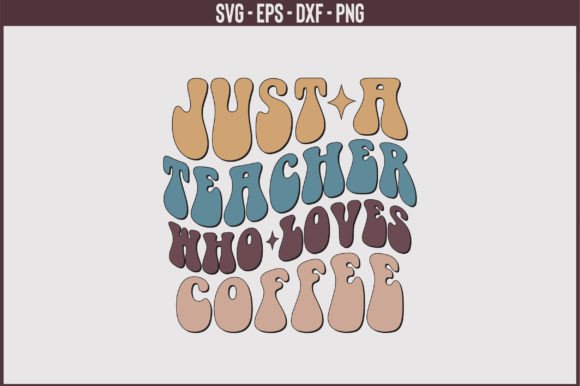
The immediate appeal of Merry Teacher Retro Teacher Sublimation lies in its nostalgic charm. The typography and layout evoke a sense of warmth and appreciation, making it an ideal candidate for holiday embroidery or end-of-year gifts. From a visual standpoint, the design balances bold statements with decorative elements. However, as an experienced reviewer, I look beyond the surface. I assess how the shapes will hold up under the tension of a hoop and whether the intricate parts of the retro style will get lost in stitch density.
For those working in Crafts and Graphics, understanding the difference between a sublimation-ready image and an embroidery-ready file is crucial. While this product is described as an instant download cutting file compatible with software like Cricut and Silhouette, using it for embroidery requires a different mindset. If you are converting this graphic into a machine embroidery design, you must consider how the curves and lines will translate into satin stitch or fill stitch pathways. The retro vibe relies on clean lines; if the digitizing is too dense, the texture of the thread can muddy the visual clarity.
Real-World Application: The Custom Tote Bag Scenario
To truly evaluate this design, I imagined a real-life scenario: creating a personalized gift for a local elementary school teacher. I chose a heavy canvas tote bag as the base, a popular item for small shop products. The goal was to create a durable, professional-looking embroidered patch that could withstand daily use.
In this context, Merry Teacher Retro Teacher Sublimation shines as a focal point. When stitched onto a neutral-toned fabric, the design’s personality pops. However, the success of the project depended heavily on thread color selection. I opted for contrasting thread colors to highlight the retro details, ensuring that the lettering remained legible. For an Etsy seller, this kind of attention to detail separates a amateur handmade product from a boutique-quality item. The design works exceptionally well for custom apparel and accessories where the message is the main attraction.
Technical Considerations for Stitching
Before running any job on your machine, there are several technical factors to consider. Since the source material is a ZIP folder containing cutting files, you may need to digitize the artwork yourself or purchase a separately converted embroidery file. If you are digitizing, pay close attention to stitch density. Retro designs often feature thick, blocky letters that can benefit from a fill stitch, but smaller decorative elements might require a running stitch to prevent puckering.
- Hoop Size: Ensure your hoop size accommodates the full width of the design without cropping essential elements. A 5x7 or 6x10 hoop is often ideal for this type of layout.
- Stabilizer Selection: For stretchy fabrics like sweatshirt embroidery materials, a cut-away stabilizer is non-negotiable. For woven fabrics like tea towels or aprons, a tear-away may suffice, but test it first.
- Fabric Texture: Textured fabrics can hide fine details. If you are stitching on a rough linen or a plush towel, simplify the design by increasing stitch width or reducing complexity.
One common pitfall with retro-style graphics is the handling of small corners and tight curves. In embroidery, sharp angles can cause thread breaks or unsightly gaps. I recommend smoothing out any jagged edges in your digitizing software before stitching. This ensures that the finished product looks polished and professional, enhancing customer trust and brand consistency.
Navigating Challenges: Dark Fabrics and Small Details
While Merry Teacher Retro Teacher Sublimation is versatile, it does have limitations. Stitching on dark fabric requires careful planning. If the design includes light-colored elements, you may need an underlay stitch or a backing patch to ensure visibility. Without proper contrast, the intricacies of the retro theme can disappear into the background.
Additionally, be cautious when scaling the design down for smaller items like baby embroidery projects or caps. Tiny lettering can become illegible if the stitch count is too high for the size. Always test the design on scrap fabric at the intended scale. This simple step saves time, thread, and frustration. For curved surfaces like hats, consider using an applique design technique where the fabric itself forms part of the lettering, reducing stitch bulk and improving comfort.
Commercial Viability and Brand Consistency
For commercial embroidery projects, consistency is key. If you are building a line of teacher appreciation gifts, this design can serve as a strong anchor piece. It appeals to a broad audience and fits seamlessly into holiday embroidery collections. However, always verify the licensing terms before selling finished items. Since this is a digital embroidery file or graphic asset, understanding whether it allows for commercial use is vital for legal compliance.
Using printable mockups can help you visualize how the design will look on various products before you commit to stitching. This is particularly useful for online listings where customers cannot touch the physical product. High-quality images that showcase the texture of the satin stitch and the vibrancy of the thread colors can significantly boost buyer engagement.
Final Verdict for Makers and Designers
The Merry Teacher Retro Teacher Sublimation design offers a solid foundation for creative entrepreneurs looking to tap into the teacher appreciation market. Its retro aesthetic is timely and appealing, but its success in embroidery depends on execution. By paying attention to stitch density, fabric choice, and stabilizer support, you can transform this graphic into a high-value handmade product.
Whether you are creating a single personalized gift or stocking your small shop with seasonal merchandise, this design rewards careful preparation. Test your settings, respect the limitations of the medium, and let the nostalgic charm of the retro style shine through your craftsmanship. For those willing to put in the technical work, the result is a beautiful, durable piece of art that teachers will cherish.