Reviewing Just a Teacher Who Loves Coffee Retro
As an embroidery designer who has spent years digitizing patterns and testing them on everything from flimsy rayon to heavy denim, I approach every new machine embroidery design with a critical eye. It is not just about whether the image looks cute on a screen; it is about how it behaves under the needle. Recently, I evaluated Just a Teacher Who Loves Coffee Retro, a piece that immediately caught my attention for its nostalgic charm and potential versatility in the Crafts category. This review breaks down how this digital embroidery file performs in real-world scenarios, offering practical insights for Etsy sellers, craft business owners, and hobbyists alike.
First Impressions: Nostalgia Meets Modern Craft
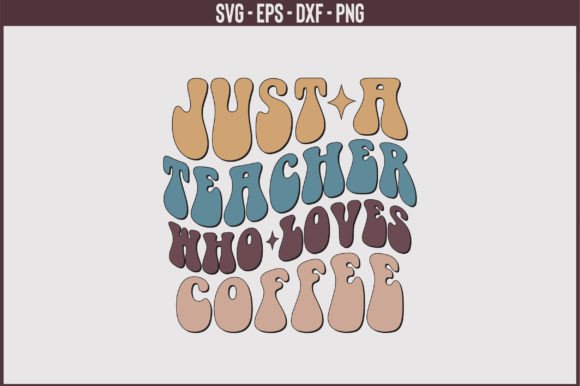
The first thing that strikes you about Just a Teacher Who Loves Coffee Retro is its mood. It captures that specific, warm aesthetic of mid-century diner culture mixed with the exhausted-but-happy vibe of modern educators. The layout is balanced, avoiding the clutter that often plagues retro-style Graphics. For a designer, this clarity is crucial. When you are working with thread colors that need to pop against various fabric backgrounds, a clean line work and well-defined shapes make your life significantly easier.
I imagined this design sitting on a canvas tote bag or a heather grey sweatshirt. It does not scream for attention with overly complex shading; instead, it relies on strong silhouettes and classic typography. This makes it an ideal candidate for those who want a handmade product that feels professional rather than amateurish. The retro theme is timeless, meaning this design will not look outdated next season, a key consideration for anyone building a sustainable small shop product line.
Real-World Application: From Classroom to Closet
To truly test the viability of Just a Teacher Who Loves Coffee Retro, I considered several common embroidery project types. The most obvious application is custom apparel for educators. Imagine stitching this onto a cozy cardigan or a structured apron. The design’s proportions fit well within standard hoop sizes, making it accessible for home machines without requiring industrial-sized frames.
Beyond apparel, I see great potential for this design in home goods. A kitchen towel embroidered with this motif makes for a thoughtful personalized gift. The retro coffee cup element translates beautifully to textile textures, especially when using a satin stitch for the outlines to give them a slight sheen against the matte fabric of the towel. For Etsy sellers looking to expand their catalog beyond clothing, this versatility is a major selling point. It allows you to create a cohesive brand aesthetic across different product types, from tote bag design concepts to decorative pillow covers.
Another strong use case is the embroidered patch. Patches are incredibly popular right now, and this design’s self-contained shape works perfectly for iron-on or sew-on applications. By using a dense fill stitch for the background elements and keeping the lettering crisp, you can create a patch that feels substantial and high-quality. This appeals to buyers looking for durable accessories that can withstand daily wear.
Technical Considerations and Stitching Performance
While the visual appeal is strong, the technical execution is where many designs fail. With Just a Teacher Who Loves Coffee Retro, attention must be paid to stitch density. Retro designs often feature bold lines, which can sometimes lead to puckering if the density is too high for lightweight fabrics. If you are stitching this on a thin cotton shirt, I strongly recommend using a cut-away stabilizer to support the fabric during and after stitching. For heavier items like sweatshirts or tote bags, a tear-away stabilizer might suffice, but always test on scrap fabric first.
The included formats—SVG, EPS, DXF, and PNG—are primarily vector and raster image files, which suggests this product may be intended for use with cutting machines or as reference images for digitizers, rather than a pre-digitized embroidery file format like PES or DST. This is a critical distinction for commercial embroidery professionals. If you are a digitizer, these design assets provide an excellent base to create your own stitch files, allowing you to control the running stitch paths and jump stitches manually. If you are an end-user expecting a ready-to-stitch file, ensure you have the necessary software to convert these graphics or check if a separate embroidery file is provided.
When working with the lettering portion of the design, pay close attention to the small details. Tiny serifs or thin connections between letters can break or look messy if the needle size is too large or the thread tension is off. I advise using a smaller needle, such as a 75/11, and high-quality polyester thread to maintain clarity. Testing the design in black and white mockups can also help you visualize contrast issues before you commit to stitching on expensive fabric.
Navigating Fabric and Hoop Constraints
Not every fabric is a good match for every design. For Just a Teacher Who Loves Coffee Retro, textured fabrics like terry cloth or heavy wool might obscure the finer details of the retro font. In these cases, consider simplifying the design or increasing the scale slightly. Conversely, on smooth fabrics like broadcloth or polyester blends, the design will shine, showcasing the precision of the satin stitch borders.
Curved surfaces, such as caps or baby hats, present another challenge. The design needs to be centered carefully to avoid distortion. If you are creating baby embroidery items, ensure that the backing material is soft and non-irritating, as comfort is paramount for infant wear. Additionally, when stitching on dark fabrics, consider using a lighter thread color for the main elements to ensure the retro vibe remains visible and vibrant. A printable mockup can be a useful tool here to preview how different thread combinations will look against various fabric colors.
Commercial Value and Brand Consistency
For creative entrepreneurs and digital product sellers, the value of a design lies in its ability to generate sales and build brand loyalty. Just a Teacher Who Loves Coffee Retro taps into a passionate niche: teachers. This demographic is known for appreciating personalized, high-quality items that reflect their profession and personality. By offering products featuring this design, you are not just selling an item; you are selling recognition and appreciation.
Consistency is key in building trust with customers. If you use this design across multiple products—such as a matching set of a mug rug and a tote bag—you create a cohesive collection that encourages larger purchases. Ensure that your stitching quality matches the professionalism of the design. Sloppy tension or loose threads can undermine the perceived value of even the best-looking applique design or graphic.
Before listing any finished product for sale, always confirm the licensing terms associated with the download. While the file formats suggest flexibility for various creative uses, commercial rights can vary. Protect your business by ensuring you have the proper permissions to sell items made with these Graphics.
Final Verdict for Makers and Designers
In conclusion, Just a Teacher Who Loves Coffee Retro is a strong contender for your next embroidery project. Its blend of nostalgic aesthetics and practical layout makes it suitable for a wide range of applications, from holiday embroidery gifts to everyday custom apparel. By paying attention to technical details like stabilizer choice, thread contrast, and fabric texture, you can elevate this design from a simple graphic to a standout piece of wearable art. Whether you are a seasoned apparel decorator or a hobbyist looking to create meaningful gifts, this design offers the flexibility and charm needed to succeed in today’s competitive craft market.